 ND
ND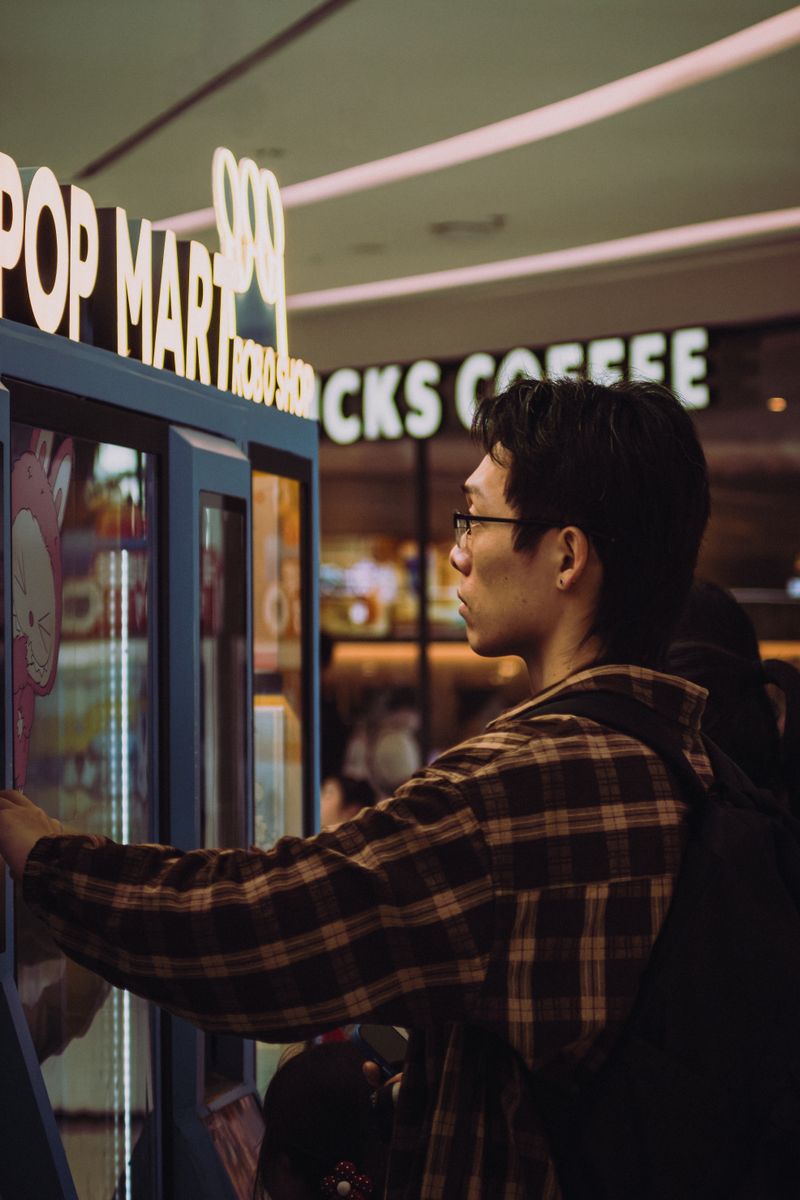
The Death of the Legacy Floor Plan
For decades, the architectural hierarchy of Asian mega-cities followed a rigid, predictable template: luxury flagships on the ground floor, mass-market apparel in the middle, and high-margin dining at the top. By mid-2026, however, this model has largely collapsed under the dual pressures of e-commerce ubiquity and shifting generational priorities.
In cities ranging from Shanghai to Chongqing, the retail landscape is being reclaimed by a phenomenon known as Guzi—a localized evolution of the English word "goods." These stores specialize in acrylic character stands, metal badges, and trading cards, items that have become the primary currency of Gen Z and Gen A social life. The shift is so seismic that struggling complexes, such as Chongqing’s Fangyuan LIVE, have abandoned legacy retail strategies entirely to convert floor plates into dedicated zones for ACGN (Animation, Comic, Game, and Novel) enthusiasts.
The Economics of Emotional Utility
The Guzi sector signals a transition from functional consumption to emotional identity-building. According to data published by iiMedia Research, the market size of China’s Guzi economy reached 168.9 billion yuan ($23.3 billion), a figure currently growing at an annual rate exceeding 40%. Projections from the firm suggest the sector will surpass the 300 billion yuan threshold by 2029.
This growth is driven by a high-velocity business model that contrasts sharply with traditional retail. While legacy apparel and beauty retailers typically operate with margins between 15% and 25%, Guzi hubs are achieving margin profiles of 45% to 60% or higher. Corporations are leveraging this demand effectively: Yuewen Group recently reported a gross merchandise value (GMV) exceeding 1.1 billion yuan, doubling their previous operational cycles, while card-manufacturing firm Kayou has realized adjusted annual net profits surpassing 4.4 billion yuan.
A Social Strategy for Urban Regeneration
The act of purchasing these goods—known colloquially as chigu—functions as an essential interactive experience for this generation. These items are not merely products; they operate as social tokens. Consumers often utilize these goods to create "itabags"—tote bags adorned with dozens of character pins—that function as outward displays of communal identity.
This behavior has caught the attention of municipal governments, which now view the subculture as a viable tool for urban revitalization. Recognizing the foot-traffic potential, the Beijing municipal government’s Dongcheng district has implemented fiscal support mechanisms, offering subsidies covering up to 30% of project investments that prioritize immersive IP consumer experiences.
Operational Agility in a Volatile Market
For institutional asset managers, the Guzi era necessitates a move away from the long-term, rigid leases of the past. Success in this environment requires an agile, "pop-up" mindset. Because the shelf-life of franchise popularity is dictated by rapid-fire digital cycles, developers are increasingly partnering with IP powerhouses like NetEase, Bilibili, and Pop Mart to rotate inventory in real-time.
This regional shift is also decoupling Asian retail from Western pop-culture hegemony. With the global success of domestic intellectual properties—most notably the video game Black Myth: Wukong and the viral collectible figures produced by Pop Mart—the Asia-Pacific market is establishing a self-sustaining regional design pipeline.
The Path to Maturity
Despite the sector's explosive success, the future brings new challenges. Analysts note that as the market saturates, inventory homogenization remains a critical risk. If too many storefronts rely on the same wholesale goods, foot traffic retention may falter. Furthermore, consumer protection watchdogs are increasingly scrutinizing the secondary market to mitigate price manipulation and exploitative marketing practices.
Ultimately, the transformation of these malls suggests that physical retail is not obsolete—only outdated. By pivoting from stagnant apparel cycles to the dynamic, symbol-driven commerce of the Guzi economy, developers are proving that space remains valuable only when it functions as a site for genuine emotional connection.