 ND
ND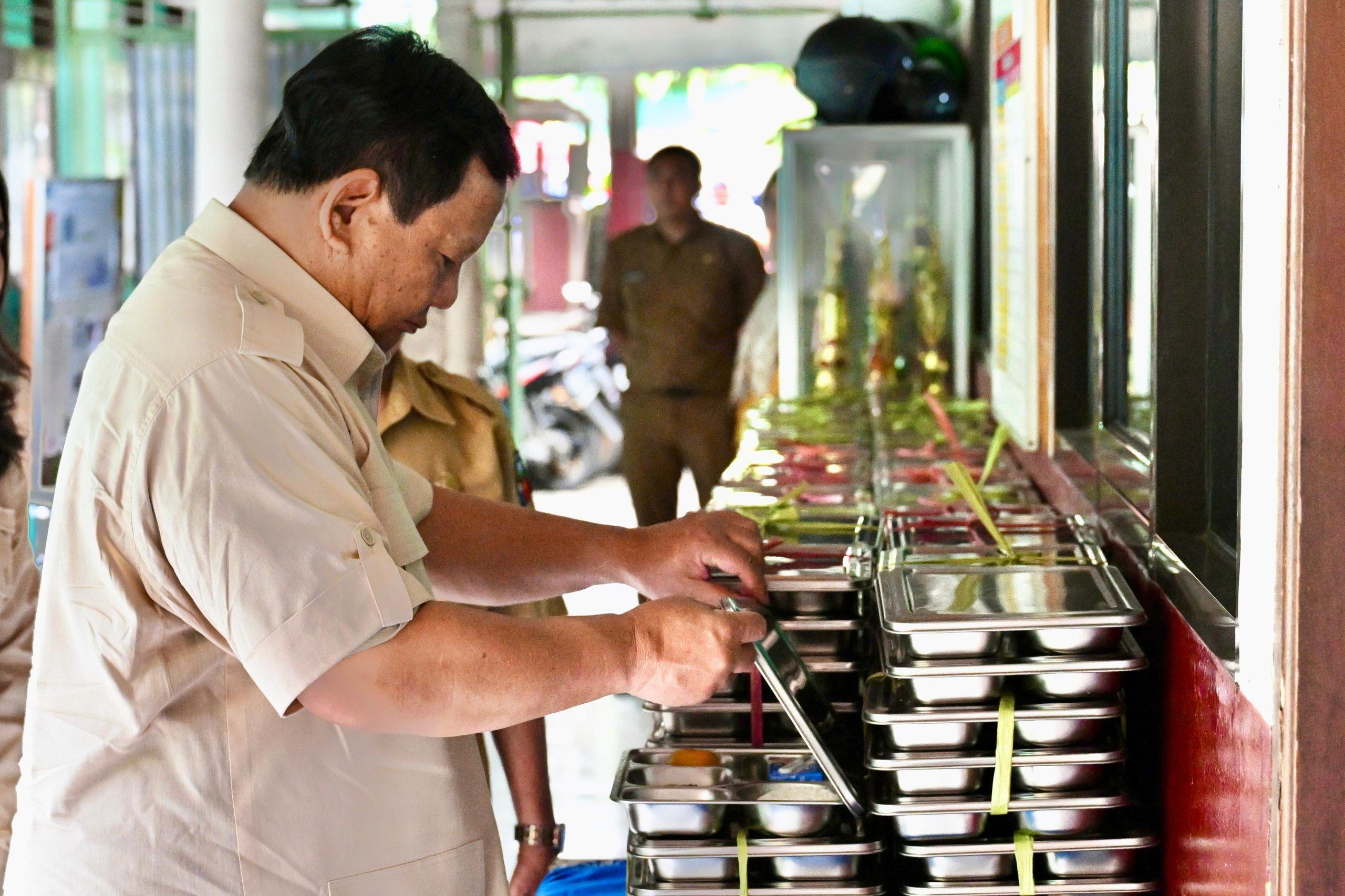
Indonesia has widened its investigation into foundations linked to the country's flagship Free Nutritious Meals program, marking a new phase in efforts to strengthen oversight of one of Southeast Asia's largest social welfare initiatives. The expanded probe comes as authorities examine whether organizations connected to community kitchens complied with governance and procurement requirements, with the findings expected to influence public-sector accountability and investor confidence. According to reports from Bloomberg and official statements cited by Indonesian authorities, investigators are broadening the scope beyond individual officials to include affiliated foundations involved in the program's operational network. The investigation follows earlier arrests of former National Nutrition Agency (BGN) executives in an alleged corruption case.
Why the Investigation Matters Beyond Politics
The Free Nutritious Meals program is one of President Prabowo Subianto's signature economic initiatives, designed to improve child nutrition while stimulating local economic activity through thousands of food preparation kitchens across Indonesia.
The program has evolved into one of the country's largest public spending initiatives, supporting millions of schoolchildren and creating demand for agricultural products, food suppliers, logistics companies, and small businesses. According to previous government budget disclosures, funding for the initiative reaches hundreds of trillions of rupiah, making governance standards a key issue for both taxpayers and financial markets.
Rather than focusing solely on allegations against specific individuals, the broader investigation reflects increasing attention to how public funds are administered through third-party organizations responsible for implementing large-scale government programs.
Economists say strong governance mechanisms are essential when social programs expand rapidly, particularly those involving thousands of procurement contracts and community-level service providers.
Oversight Becomes a Market Signal
While the investigation centers on legal compliance, its economic implications extend further.
Large institutional investors increasingly evaluate governance quality alongside macroeconomic indicators when assessing emerging markets. Transparent investigations and enforcement actions can strengthen confidence that public resources are being managed under established legal frameworks.
Indonesia has spent recent years promoting itself as a regional investment destination for manufacturing, renewable energy, digital infrastructure, and critical minerals. Maintaining confidence in public institutions therefore remains an important element of the country's broader investment narrative.
Market analysts generally note that governance reforms, even when prompted by investigations, can reinforce institutional credibility if legal processes remain transparent and consistent.
Public Spending Under Greater Scrutiny
The expanded investigation also arrives as governments across Asia-Pacific face growing pressure to balance ambitious social spending with fiscal discipline.
Indonesia's Free Nutritious Meals program has frequently attracted attention from economists because of its scale and long-term budget implications. Earlier discussions from rating agencies and financial analysts focused on whether the program could be implemented while maintaining prudent fiscal management.
As implementation continues, policymakers are expected to strengthen procurement procedures, partner verification, and financial monitoring to reduce operational risks.
Several policy observers believe stronger internal controls could improve the efficiency of future public spending without altering the program's underlying objectives.
APAC Watches Indonesia's Governance Standards
Indonesia is Southeast Asia's largest economy and one of the region's most important consumer markets.
For international investors, developments surrounding governance and public procurement are closely monitored because they can influence perceptions of regulatory certainty and institutional effectiveness.
Countries across Asia-Pacific are simultaneously expanding infrastructure investment, healthcare, education, and food security programs. Indonesia's experience may therefore serve as an important reference for how governments manage oversight as public expenditure increases.
The broader lesson extends beyond Indonesia itself: transparent governance has become an increasingly significant factor in attracting long-term foreign direct investment throughout the region.
What Happens Next?
Authorities are expected to continue reviewing documentation, financial transactions, procurement processes, and relationships between participating foundations and government agencies as the investigation progresses. Additional interviews, audits, or legal actions could follow if investigators identify further evidence of regulatory violations.
Separately, government officials have reiterated that the Free Nutritious Meals program itself will continue while oversight mechanisms are strengthened to ensure public funds are managed appropriately.
For businesses involved in food supply, logistics, agriculture, and public procurement, future policy adjustments and governance reforms will likely be watched closely as the program enters its next phase.
As Indonesia continues expanding one of the region's largest social welfare initiatives, the Indonesia Free Meal Probe is becoming not only a legal investigation but also an important test of institutional governance. For investors, businesses, and policymakers across APAC, the outcome may offer valuable insights into how emerging economies balance rapid public spending with transparency and accountability.
This article is provided for general informational purposes only and should not be considered financial, investment, or legal advice.