 ND
ND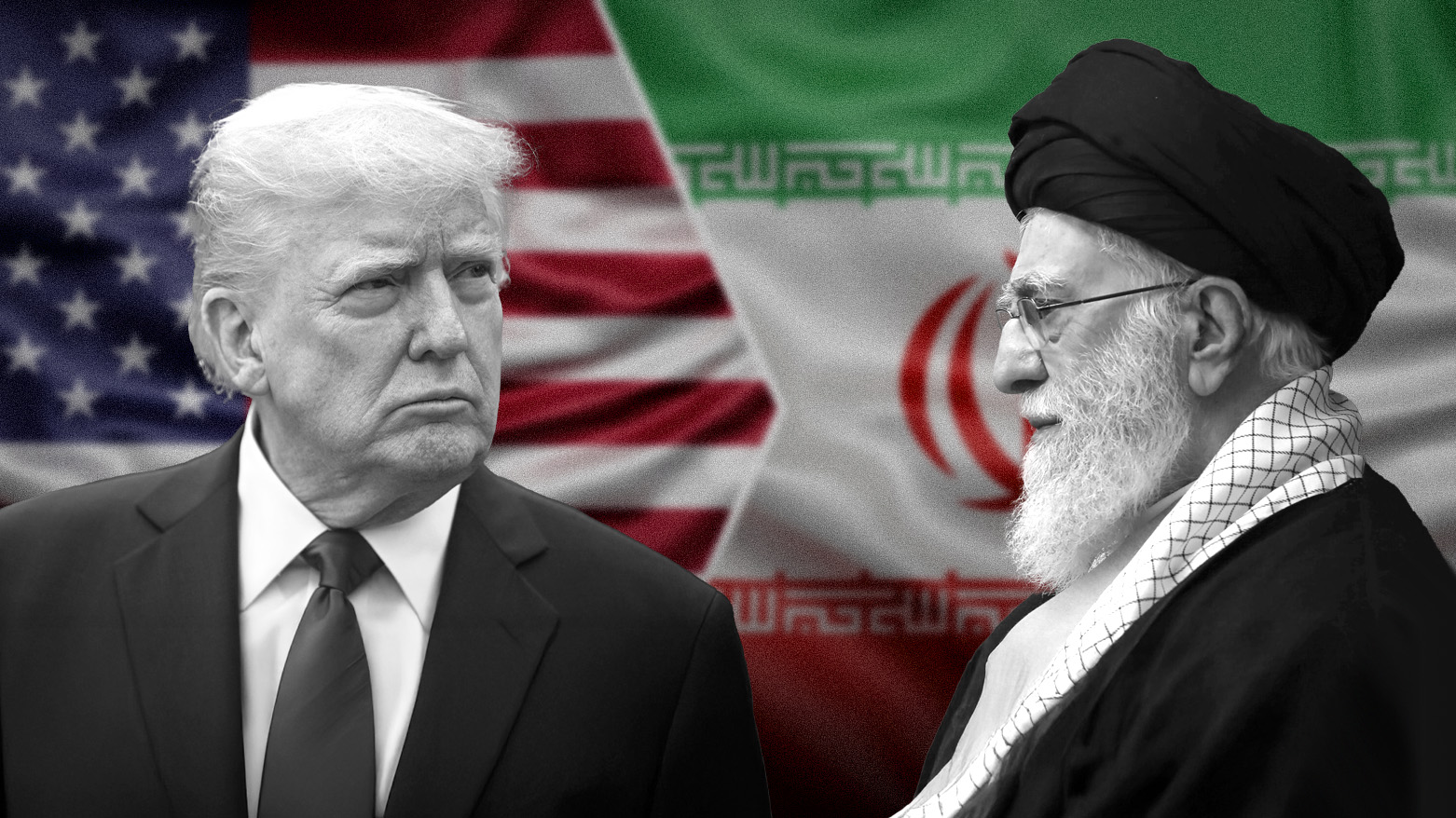
When President Donald Trump announced a new interim agreement with Iran, most headlines focused on geopolitics.
Financial markets, however, were watching something else entirely.
The agreement's immediate priority is reopening the Strait of Hormuz and launching a 60-day negotiation period aimed at reducing tensions between Washington and Tehran. For investors, businesses, and governments across Asia-Pacific (APAC), this development may be even more significant than the diplomatic breakthrough itself.
Why the Strait of Hormuz Matters
The Strait of Hormuz is one of the world's most strategically important energy corridors.
Roughly one-fifth of global oil supplies and a significant share of liquefied natural gas (LNG) shipments pass through this narrow waterway connecting the Persian Gulf with international markets.
When shipping is disrupted, energy prices typically rise, transportation costs increase, and inflationary pressures spread worldwide.
For import-dependent economies across Asia, keeping Hormuz open is not simply a geopolitical objective—it is an economic necessity.
Asia Has the Most to Gain
Although the agreement was negotiated between the United States and Iran, its biggest economic beneficiaries may be found thousands of kilometers away.
Countries including Japan, South Korea, China, India, Singapore, Thailand, Indonesia, and the Philippines rely heavily on imported oil and LNG.
Lower energy prices could reduce operating costs for airlines, shipping companies, manufacturers, and electricity producers. Consumers could also benefit if fuel prices stabilize over time.
For central banks across APAC, easing energy costs may provide more flexibility when setting interest-rate policy and managing inflation.
Markets Are Watching Oil More Than Politics
Investors have reacted cautiously optimistic to the agreement.
Rather than celebrating the political announcement itself, traders are closely monitoring whether commercial shipping can return to normal and whether the 60-day negotiation window results in a more permanent settlement.
If oil exports increase and maritime traffic remains uninterrupted, crude prices could stabilize after months of volatility.
That would improve sentiment across equity markets, reduce business uncertainty, and encourage renewed investment in Asia's manufacturing sector.
The Real Test Begins Now
The agreement is only an interim framework.
Negotiators now face approximately 60 days to address difficult issues including nuclear oversight, sanctions, regional security, and long-term access through the Strait of Hormuz.
Analysts caution that failure to reach a broader agreement could quickly reverse recent optimism and trigger another period of market volatility.
What Businesses Should Watch
Executives across Asia should monitor several indicators over the coming weeks:
Brent crude oil prices LNG shipping activity Freight and logistics costs Currency movements across Asia Inflation reports Central bank policy decisions Manufacturing purchasing data
These indicators will reveal whether the diplomatic breakthrough translates into tangible economic benefits.
APAC Could Be the Unexpected Winner
One overlooked aspect of the agreement is its potential impact on Asia's export-driven economies.
Lower energy costs can improve factory competitiveness, reduce transportation expenses, and strengthen regional supply chains.
Technology manufacturers, automotive companies, airlines, shipping operators, and industrial producers all stand to benefit if energy markets remain stable.
At a time when many governments are trying to balance inflation control with economic growth, cheaper energy could provide an important boost to business confidence.
Conclusion
The Trump-Iran agreement should not be viewed solely as a diplomatic event.
Its greatest significance may lie in its economic consequences.
If negotiations succeed and the Strait of Hormuz remains open, Asia-Pacific economies could experience lower energy costs, improved trade conditions, and stronger investor confidence.
For businesses and investors, the next 60 days may prove just as important as the agreement itself.